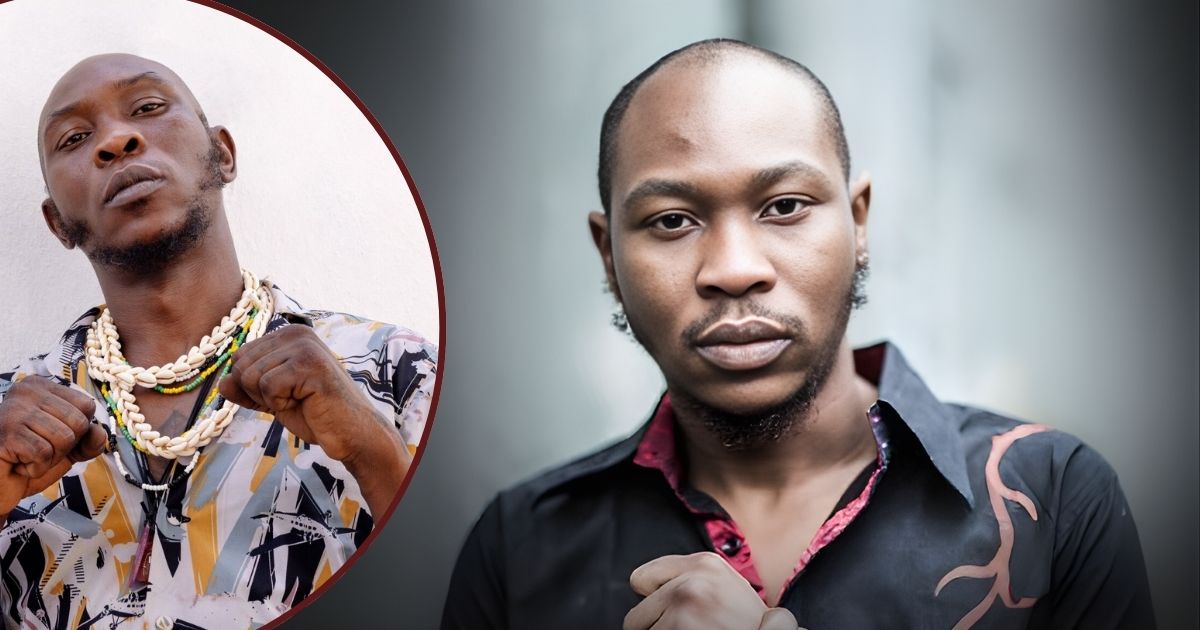
When Fela Anikulapo Kuti died in 1997, many wondered if Afrobeat music would die with him. Then a 14-year-old boy picked up his father’s saxophone. That boy was Seun Kuti. Today, he’s not just carrying a legacy he’s rewriting it.
Oluseun Anikulapo Kuti didn’t choose the spotlight. It chose him at birth. As the youngest son of Africa’s most revolutionary musician, Seun inherited more than DNA. He got Egypt 80, the legendary Afrobeat band, and the weight of generations on his shoulders. But here’s what makes his story fascinating: he didn’t crumble under pressure.
This comprehensive guide covers everything about the Nigerian Afrobeat musician his wealth, personal details, controversies, and artistic triumphs. You’ll discover facts most fans don’t know. Ready to dive deep into Seun Kuti’s biography? Let’s go.
Related post: 460+ Soulmate Romantic Birthday Wishes for Husband From Wife 2026
Who is Seun Kuti?
Seun Kuti leads Egypt 80 band with the same fire his father once commanded. He’s a saxophonist, singer, and unapologetic activist. The Seun Kuti Net Worth performs at festivals worldwide, spreading Afrobeat legacy to new generations. His Grammy-nominated albums prove he’s no shadow he’s the real deal.
Americans might recognize him from collaborations with Janelle Monáe or his appearance at the Nobel Peace Prize Concert alongside Diana Ross. But in Lagos State Nigeria, he’s royalty. The Nigerian music royalty status comes with expectations. Seun meets them while pushing boundaries his father would appreciate.
What sets this world music artist apart? He doesn’t just replicate Fela Anikulapo Kuti’s sound. Seun modernizes it, tackles contemporary issues, and refuses to be polite about corruption. His live performances are spiritual experiences where politics meets rhythm. That’s why he matters beyond Nigeria’s borders.
Profile Summary
| Detail | Information |
| Full Name | Oluseun Anikulapo Kuti |
| Stage Name | Seun Kuti |
| Date of Birth | January 11, 1983 |
| Seun Kuti Age | 43 years old |
| Place of Birth | Lagos State, Nigeria |
| Nationality | Nigerian |
| Occupation | Musician, Saxophonist, Band Leader |
| Height | Approximately 5’10” (178 cm) |
| Partner | Yetunde George Ademiluyi |
| Children | 1 daughter (Ifafunmike) |
| Band | Egypt 80 |
| Record Label | The Knitting Factory |
| Notable Albums | Many Things (2008), Black Times (2018) |
| Chart Success | Billboard World Music Chart #8 |
| Net Worth | $5 million |
This Nigerian singer transformed from mascot to maestro. His journey spans continents, controversies, and countless stages. Seun Kuti and Egypt 80 represent Afrobeat’s living heart, pumping rhythm into resistant systems worldwide.
Early Life and Background
Seun Kuti’s early life unfolded inside Afrika Shrine, the legendary Lagos nightclub. Imagine growing up where music never stopped. Where political debates raged until dawn. Where your playground doubled as Africa’s cultural headquarters. That was young Seun’s reality in Nigeria.
At nine, Seun told his father something crucial: “I want to sing.” Fela Kuti didn’t coddle dreams he tested them. Soon, the boy became Egypt 80’s tiny mascot, performing short sets before the main act. Crowds watched this child navigate complex rhythms. They didn’t know they were witnessing destiny’s rehearsal.
His education happened in two worlds simultaneously. Mornings belonged to French International School of Lagos, where he learned conventional subjects. Nights belonged to the Shrine’s chaos, where life taught harder lessons. This duality shaped his worldview part intellectual, part street-smart revolutionary. The Kuti family didn’t do normal childhoods.
By 15, Seun Kuti’s career faced its first crossroads. American Football coaches saw his potential. Music demanded commitment. He couldn’t chase both dreams effectively. Choosing the saxophone meant rejecting athletic glory for uncertain artistic futures. Most teenagers would’ve wavered.
Then 1997 arrived like a earthquake. Fela Anikulapo Kuti passed away, leaving Egypt 80 leader position vacant. Brother Femi Kuti had his own band. The responsibility fell on 14-year-old shoulders. Critics called it impossible. Seun called it duty. He didn’t just accept the role he attacked it with fierce determination.
Leading grown men while navigating adolescence tested everything. International tours meant missing school. Studio album production required maturity beyond his years. The Afrobeat pioneer’s son couldn’t afford mediocrity. Every performance carried his father’s ghost and Africa’s expectations. Somehow, he survived the pressure cooker.
Seun Kuti Net Worth
Seun Kuti net worth $5 million remains mysteriously undisclosed. Unlike Western celebrities flaunting wealth, African artists rarely publicize finances. Cultural norms value privacy over Instagram flexing. Industry insiders estimate moderate earnings compared to American stars, but substantial for world music standards.
His income streams include diverse sources. Many Things album sales launched his financial independence in 2008. Black Times brought Grammy recognition and bigger paydays. Billboard World Music Chart success (#8 position) opened premium festival slots. European and American tours pay significantly more than African gigs.
The Knitting Factory record label provides advances and royalties. Collaborations with Calle 13 on “Todo se mueve” and Janelle Monáe added lucrative opportunities. Yet managing Egypt 80 band members, travel costs, and equipment maintenance eats profits. Band leadership isn’t cheap it’s a business requiring constant investment.
Compare Seun to peers: his debut album didn’t achieve mainstream millions. But respect within Afrobeat music circles translates to consistent work. Live performances remain his bread and butter. Festivals worldwide pay $20,000-$50,000 per appearance (estimated). That adds up across yearly tours.
His anti-corruption activism occasionally conflicts with profit. Seun rejects corporate sponsorships contradicting his values. Pan-African activism limits endorsement deals available to less political artists. He’s chosen principles over paychecks repeatedly. That decision affects his net worth significantly, though he’d argue it enriches something more valuable.
Seun Kuti Age
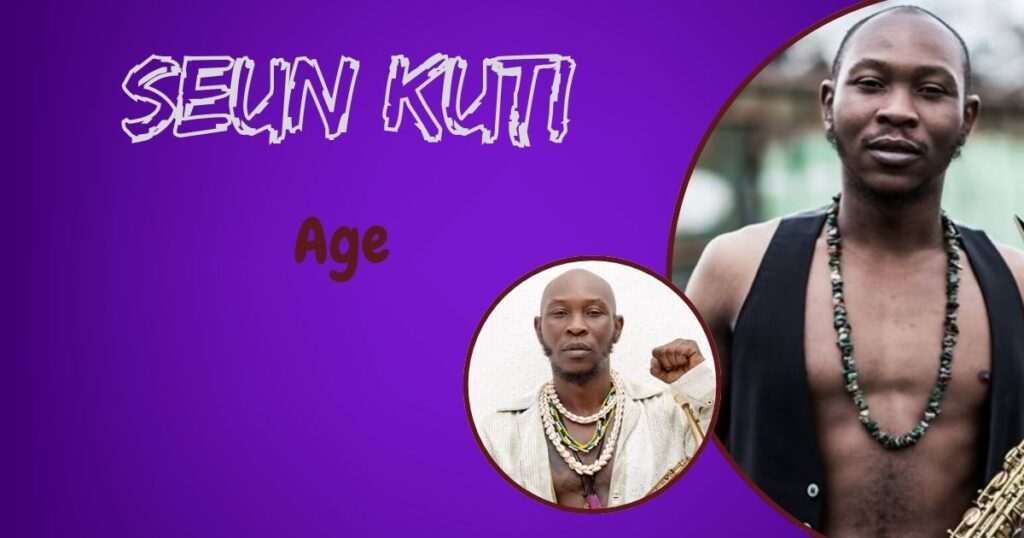
Born January 11, 1983, Seun just turned 43. That makes him an Aquarius fitting for someone challenging conventions constantly. Seun Kuti’s age reveals remarkable accomplishments compressed into four decades. Most musicians his age are still building reputations. He’s been famous since childhood.
Consider his timeline: age 9 meant first performances. Age 14 brought Egypt 80 leadership during grief’s darkest moments. Age 15 solidified his music career choice. By 25, his debut album “Many Things” earned critical acclaim globally. At 35, “Black Times” secured Grammy nominations, placing him alongside music’s elite.
Now at 43, Seun’s hitting creative prime. He’s old enough for wisdom, young enough for fire. The Nigerian celebrity hasn’t mellowed he’s sharpened. His recent activism proves age hasn’t diminished his revolutionary spirit. If anything, maturity amplified his effectiveness as both artist and agitator.
Seun Kuti, Wife
Technically, Yetunde George Ademiluyi isn’t Seun’s wife she’s his long-term partner. They’ve avoided legal marriage while building deep commitment. This arrangement reflects modern African relationships transcending traditional expectations. Seun Kuti’s personal life remains largely private despite his public persona.
Yetunde appears at major events, supporting from the sidelines. She’s not seeking spotlight herself. Her background and career remain relatively unknown, which seems intentional. The couple maintains boundaries between public activism and private intimacy. Smart move considering media’s appetite for scandal.
Their relationship endured years of touring, political drama, and constant scrutiny. That longevity speaks volumes. Seun Kuti’s partner isn’t just arm candy she’s his anchor. Behind revolutionary men often stand women providing stability. Yetunde fills that role while maintaining her own identity.
Seun Kuti Height
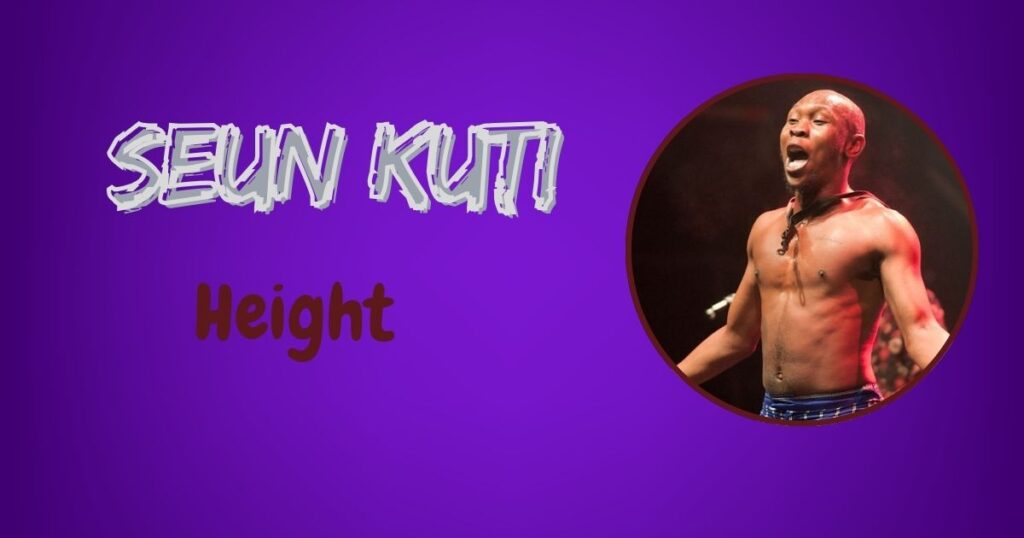
Standing approximately 5’10” (178 cm), Seun commands stages through presence, not towering stature. His height perfectly suits the saxophonist role tall enough for instrument leverage, compact enough for energetic dancing. Physical appearance matters less than the energy he radiates.
Signature dreadlocks cascade down his back, connecting him visually to Rastafarian traditions and Pan-Africanism. He rocks vibrant African prints, dashikis, and bold colors celebrating heritage. Western suits rarely grace his frame. Why dress like colonizers when your culture offers superior aesthetics?
Stage presence transcends measurements. Seun moves like electricity during performances. Sweat-drenched, saxophone wailing, he becomes Afrobeat incarnate. Live performances showcase athletic stamina two-hour shows demand serious fitness. His body becomes another instrument in the orchestra.
Seun Kuti Personal Life
Beyond stages, Seun Kuti’s personal life centers on fatherhood and philosophy. His daughter Ifafunmike Adara Anikulapo-Kuti, born December 16, 2013, represents his greatest production. Balancing global tours with parenting challenges any artist. He manages by prioritizing presence over quantity.
Seun practices Rastafarian-influenced spirituality mixed with traditional African beliefs. This syncretism shapes his worldview and legalisation of marijuana advocacy. He views cannabis as sacred medicine, not recreational escape. His outspoken support faces Nigerian legal realities possession remains criminal despite medicinal arguments.
Daily life involves music production, political organizing, and family time. He’s not chasing luxury cars or mansion life. Comfort matters, but excess contradicts his social justice messaging. Living modestly while fighting for others’ dignity maintains credibility activists need.
Seun Kuti Family Life
The Kuti family dynasty reads like musical mythology. Father Fela Anikulapo Kuti created Afrobeat and 27 wives’ worth of children. Brother Femi Kuti earned multiple Grammy nominations independently. This family doesn’t do normal they do legendary.
Growing up Kuti meant sharing space with numerous half-siblings. Fela’s compound housed his extended family in communal chaos. Young Seun learned sharing, competition, and collaboration simultaneously. Those dynamics prepared him for band leadership’s interpersonal challenges.
Today, Seun maintains complex family relationships. He respects Femi while carving separate artistic paths. No competition exists publicly both honor Afrobeat legacy differently. Family gatherings celebrate their father’s memory without rivalry overshadowing love.
Creating his own family with Yetunde George Ademiluyi and daughter Ifafunmike lets Seun define fatherhood his way. He’s breaking cycles while preserving traditions. That balance defines modern Nigerian music royalty honoring past while embracing evolution.
Seun Kuti Education
Formal schooling happened at French International School of Lagos. This bilingual environment provided quality education despite his irregular attendance. Tours interfered constantly. Teachers accommodated Nigeria’s most famous musical prodigy with flexible deadlines.
Real education occurred nightly at Afrika Shrine. Fela Kuti taught through example political courage, artistic integrity, uncompromising vision. Those lessons shaped Seun more than textbooks ever could. He learned Afrobeat music theory by osmosis, absorbing complex polyrhythms before understanding their mathematical foundations.
The saxophone became his doctoral thesis. Mastering this instrument required obsessive practice. Egypt 80’s veteran musicians mentored him through mistakes. Each tour educated him about global politics, colonial legacies, and diaspora connections. His degree came from life’s hardest university.
Controversy
Seun Kuti’s 2023 police altercation exploded across headlines. Assault allegations led to arrest. Social media videos showed confrontation. He claimed self-defense against harassment. Authorities saw differently. The incident sparked nationwide debate about police accountability and celebrity privilege.
His Occupy Nigeria protest participation during January 2012 targeted fuel subsidy removal. Thousands marched. Government cracked down. Seun’s visibility made him a target. Authorities don’t appreciate political activist musicians exposing corruption. He risked freedom for principles.
Legalisation of marijuana advocacy continues generating backlash. Conservative Nigerians view his stance as promoting drug abuse. He argues for medical benefits and personal freedom. This controversy won’t disappear it defines his rebellious brand.
Seun Kuti Social Media
Instagram (@bigbirdkuti) serves as Seun’s megaphone. He posts political rants, performance clips, and occasional family glimpses. His unfiltered approach attracts controversy and devotion equally. Followers appreciate authenticity over curated perfection.
Twitter battles happen regularly. He debates celebrities, politicians, and random trolls. This engagement style builds community while making enemies. Seun Kuti’s online presence mirrors his music loud, unapologetic, impossible to ignore.
Social platforms extend Afrobeat’s reach beyond concert halls. Young Africans discover their heritage through his posts. Diaspora communities reconnect with roots. His digital activism complements physical organizing. The revolution streams live now.
Conclusion
Seun Kuti’s career proves legacies aren’t burdens they’re springboards. At 43, he’s achieved what most musicians dream about: Grammy nominations, Billboard chart success, global respect. Yet he measures success differently by justice advanced, not dollars accumulated.
His net worth might remain mysterious, but his value transcends currency. Seun and Egypt 80 keep Fela Anikulapo Kuti’s spirit alive while addressing 2026’s challenges. That’s harder than creating something new. Evolution requires courage tradition-bound minds lack.
What’s next for this Afrobeat warrior? More albums, more protests, more saxophone wails echoing across continents. Ifafunmike might eventually join the family business. The Kuti legacy continues through blood and belief.
Seun Kuti matters because he refuses silence when speaking costs comfort. He’s proof that Nigerian Afrobeat musicians aren’t mere entertainers they’re architects of consciousness. Listen to his music. Support his activism. The revolution sounds beautiful.

Tapas Pal, Admin of blessingsloveyou.com, is dedicated to spreading positivity and inspiration through blessings. With a vision to uplift lives, he curates meaningful content that encourages gratitude, faith, and love. His passion for sharing words of hope makes the blog a source of light and encouragement for readers worldwide.